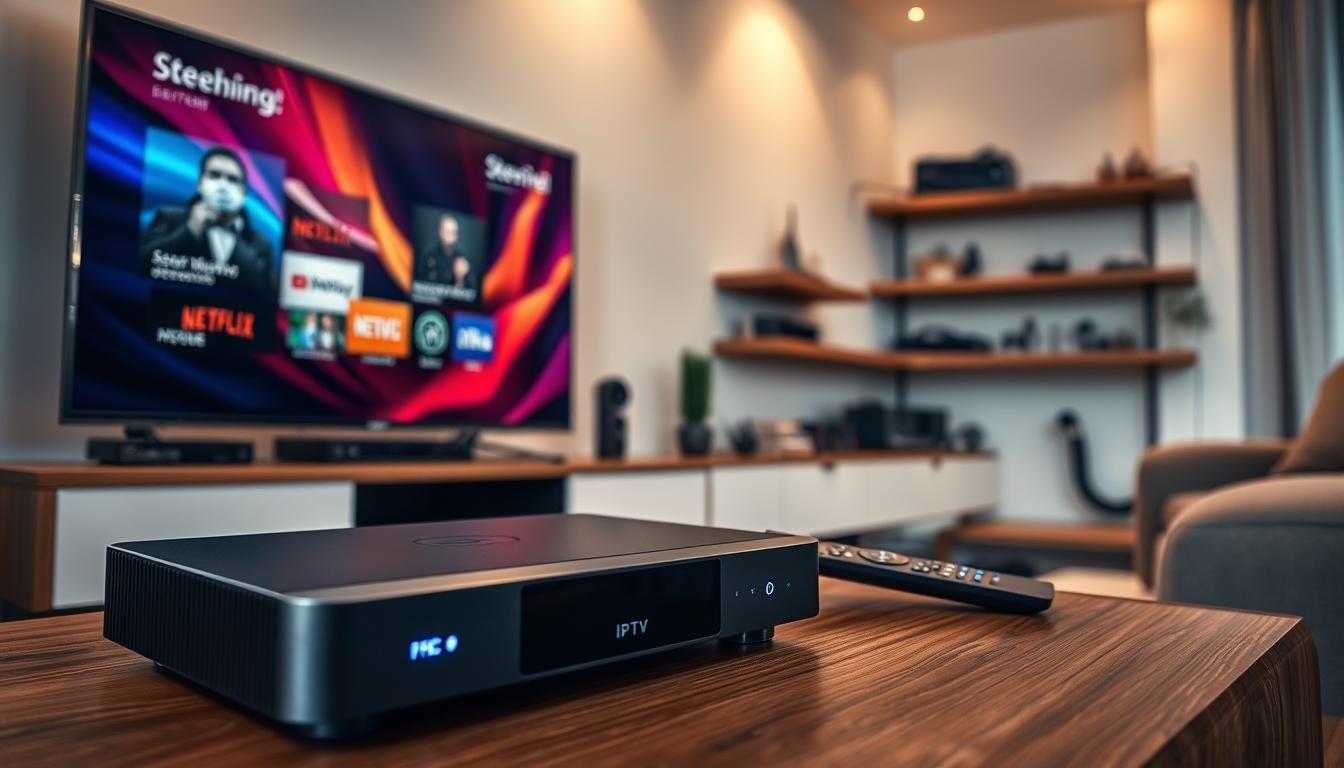
The world of streaming is constantly evolving, and IPTV streaming has emerged as a significant player. At the heart of this technology lies the crucial aspect of video encoding, which enables seamless content delivery.

Streaming technology has revolutionized the way we consume media, offering unparalleled flexibility and accessibility. PVI Encoder IPTV is at the forefront of this revolution, providing a robust solution for content providers.
By leveraging advanced video encoding techniques, PVI Encoder IPTV unlocks new possibilities for streaming services, ensuring high-quality content delivery.
Key Takeaways
- IPTV streaming is a significant aspect of modern streaming technology.
- Video encoding is crucial for seamless content delivery.
- PVI Encoder IPTV offers a robust solution for content providers.
- Advanced video encoding techniques ensure high-quality content delivery.
- Streaming technology has revolutionized media consumption.
Understanding PVI Encoder IPTV Technology
Understanding the technology behind PVI Encoder IPTV is crucial for unlocking its full potential. PVI Encoder IPTV is a cutting-edge solution designed to optimize IPTV streaming services. By leveraging advanced encoding technology, it ensures high-quality video transmission over the internet.
What Is PVI Encoder IPTV?
Encoder IPTV is a sophisticated IPTV solution that enables the efficient encoding of video content for streaming. It supports various encoding formats and is designed to work seamlessly with different devices and platforms. The technology is built to handle high volumes of data, ensuring that streams are delivered smoothly and reliably.
The PVI Encoder is equipped with advanced features such as video compression and streaming quality options, making it an ideal choice for both personal and commercial use. Its compatibility with a wide range of devices further enhances its versatility.
The Evolution of IPTV Encoding
The evolution of IPTV encoding has been marked by significant advancements in technology. From the early days of simple encoding to the current sophisticated systems, IPTV encoding has become more efficient and capable. The PVI Encoder IPTV represents a pinnacle in this evolution, offering superior encoding capabilities.
As streaming demands continue to grow, the need for robust and efficient encoding solutions like Encoder IPTV becomes increasingly important. The technology has adapted to support higher quality streams and more complex content, ensuring that viewers enjoy a seamless streaming experience.
How Encoder IPTV Works
Understanding how PVI Encoder IPTV works is crucial for unlocking its full potential. At its core, PVI Encoder IPTV is a sophisticated encoding technology designed to optimize streaming performance and provide high-quality video content to users.
The Technical Architecture
The technical architecture of PVI Encoder IPTV is complex, involving multiple components that work together seamlessly. It starts with input sources and formats, which can vary widely.
Input Sources and Formats
Encoder IPTV supports a variety of input sources, including live feeds, pre-recorded content, and more. These inputs can be in different formats, such as SD, HD, or even 4K resolutions. The flexibility in input handling allows for a broad range of applications, from simple home streaming to complex commercial broadcasting setups.
Processing Pipeline
The processing pipeline is where the actual encoding happens. This involves taking the input content and processing it through various algorithms to compress and prepare it for streaming. The processing pipeline is optimized for performance, ensuring that the output is of high quality while minimizing latency.
Encoding Process Explained
The encoding process is at the heart of PVI Encoder IPTV’s functionality. It involves compression algorithms that reduce the size of the video content, making it easier to stream over various networks.
Compression Algorithms
PVI Encoder IPTV utilizes advanced compression algorithms to achieve the best balance between quality and file size. These algorithms are designed to work efficiently with different types of content, ensuring that the output is always optimized for streaming.
Output Formats and Protocols
The output of PVI Encoder IPTV can be configured to support various formats and protocols, making it compatible with a wide range of devices and platforms. Whether it’s for streaming to smart TVs, mobile devices, or computers, PVI Encoder IPTV can adapt to the required output formats and protocols, ensuring seamless playback.
Key Features of Encoder IPTV
At the heart of Encoder IPTV lies a powerful set of features designed to optimize streaming performance. These features are crucial in delivering high-quality video content to viewers. By leveraging advanced video compression capabilities, streaming quality options, and broad device compatibility, PVI Encoder IPTV sets a new standard in the streaming industry.
Video Compression Capabilities
PVI Encoder IPTV excels in video compression, ensuring that high-quality video is delivered efficiently. This is achieved through advanced encoding technologies.
Supported Codecs
The system supports a wide range of codecs, including H.264 and H.265, allowing for flexible encoding options that cater to different bandwidth requirements. These codecs enable efficient compression, reducing the bitrate without compromising on video quality.
Bitrate Management
Effective bitrate management is crucial for maintaining consistent video quality. PVI Encoder IPTV allows for precise control over bitrate settings, ensuring that streams are optimized for various network conditions. This results in a smooth viewing experience, even in challenging environments.
Streaming Quality Options
PVI Encoder IPTV offers a variety of streaming quality options to suit different viewer preferences and network capabilities. This flexibility is key to providing a personalized viewing experience.
Resolution Support
The encoder supports multiple resolutions, from standard definition (SD) to high definition (HD) and 4K. This range of resolution options ensures that content can be tailored to the viewer’s device and preferences.
Adaptive Streaming Features
Adaptive streaming is a critical feature that adjusts the stream quality in real-time based on the viewer’s internet connection. PVI Encoder IPTV incorporates advanced adaptive streaming technologies to ensure seamless playback and minimize buffering.
Compatibility With Devices
Encoder IPTV is designed to be compatible with a broad range of devices, from smart TVs and streaming boxes to mobile devices. This compatibility is essential for reaching a wide audience.
The encoder’s flexibility in supporting various devices and platforms makes it an ideal solution for both personal and commercial streaming needs. By ensuring that content can be accessed on multiple devices, PVI Encoder IPTV enhances viewer engagement and satisfaction.
Benefits of Using Encoder for IPTV Streaming
Streaming just got better with PVI Encoder IPTV, offering unparalleled performance and flexibility. This technology is designed to enhance the streaming experience, making it more reliable and efficient.
Enhanced Streaming Performance
PVI Encoder IPTV significantly improves streaming performance by reducing latency and enhancing video quality. This results in a smoother viewing experience, even on devices with lower specifications.
Key enhancements include:
- Faster buffering times
- Higher video quality
- Reduced lag
Cost-Effectiveness
One of the significant benefits of Encoder IPTV is its cost-effectiveness. By optimizing streaming quality and reducing bandwidth requirements, it offers a more economical solution for both individuals and businesses.
| Feature | Traditional IPTV | PVI Encoder IPTV |
|---|---|---|
| Bandwidth Requirement | High | Optimized |
| Cost | Expensive | Cost-Effective |
Scalability Options
PVI Encoder IPTV is highly scalable, making it suitable for a wide range of applications, from personal use to large-scale commercial deployments. Its flexibility allows users to easily upgrade or adjust their streaming capabilities as needed.
The scalability of Encoder IPTV ensures that it can grow with your needs, providing a future-proof solution for streaming.
Setting Up Your PVI Encoder IPTV System
A successful Encoder IPTV setup hinges on understanding the hardware requirements, software configuration, and network optimization tips. This comprehensive guide will walk you through each step to ensure a smooth and efficient setup process.
Hardware Requirements
Before diving into the setup process, it’s essential to ensure you have the right hardware. The Encoder IPTV requires a robust system to handle the demands of video encoding and streaming. Key hardware components include a multi-core processor, sufficient RAM (at least 8GB), and a reliable network interface card. Investing in quality hardware will significantly impact the performance and stability of your IPTV streaming.
Additionally, consider the storage needs for your system. Adequate storage ensures that your system can handle the buffering and caching required for smooth video playback. A solid-state drive (SSD) is recommended for faster data access and processing.
Software Configuration
Once your hardware is in place, the next step is configuring the software. The PVI Encoder IPTV software is designed to be intuitive, but it still requires careful configuration to optimize performance.
Initial Setup Process
The initial setup involves installing the Encoder IPTV software and configuring the basic settings. This includes setting the input sources, selecting the streaming protocols, and defining the output parameters. It’s crucial to follow the manufacturer’s instructions for the initial setup to ensure everything is configured correctly.
Advanced Configuration Options
After the initial setup, you can delve into the advanced configuration options to fine-tune your system. This includes adjusting bitrate settings, configuring multiple streaming outputs, and setting up redundancy protocols. Advanced configurations can significantly enhance the flexibility and reliability of your IPTV streaming.
Network Optimization Tips
Network optimization is a critical aspect of ensuring high-quality IPTV streaming. This involves configuring your network settings to prioritize IPTV traffic, ensuring sufficient bandwidth, and minimizing latency. Implementing Quality of Service (QoS) settings on your router can help manage network traffic effectively.
Additionally, consider the overall network infrastructure, including the internet connection speed and the quality of your networking equipment. A well-optimized network is key to delivering a seamless viewing experience.
Real-World Applications of PVI Encoder IPTV
The real-world applications of Encoder IPTV are diverse and continually expanding, transforming the way we consume and interact with digital content.
Home Entertainment Solutions
Encoder IPTV is revolutionizing home entertainment by providing high-quality streaming services. With its advanced encoding technology, users can enjoy seamless video playback on various devices, enhancing their viewing experience.
Some key benefits for home entertainment include:
- High-definition video streaming
- Multi-device compatibility
- Personalized content recommendations
By leveraging PVI Encoder IPTV, homeowners can create a centralized media hub, making it easier to manage and stream content across different rooms and devices.
Business and Commercial Uses
In the business sector, PVI Encoder IPTV is being utilized for various commercial purposes, including digital signage, corporate communications, and entertainment in public spaces.
Businesses can benefit from:
- Enhanced customer engagement through digital signage
- Streamlined corporate communications
- Improved brand visibility
For instance, hotels and restaurants can use PVI Encoder IPTV to offer guests a personalized entertainment experience, enhancing their overall satisfaction.
Educational and Institutional Applications
Educational institutions are also leveraging PVI Encoder IPTV to enhance learning experiences. By providing high-quality video content, educators can create more engaging and interactive lessons.
“The use of IPTV in education has opened up new avenues for remote learning, making it possible for students to access high-quality educational content from anywhere.”
The benefits in educational settings include:
- Enhanced remote learning capabilities
- Access to a wide range of educational resources
- Improved student engagement
By adopting PVI Encoder IPTV, educational institutions can significantly enhance the learning experience, making it more immersive and accessible.
Encoder IPTV vs. Alternative Solutions
In the crowded field of IPTV encoders, Encoder IPTV offers distinct advantages over traditional and modern alternatives. As streaming continues to grow in popularity, understanding the differences between these options is crucial for making informed decisions.
Traditional Cable vs. Encoder IPTV
Traditional cable has been the backbone of television broadcasting for decades. However, it comes with limitations such as geographical constraints and a lack of on-demand content. In contrast, Encoder IPTV provides a more flexible solution, allowing users to stream content over the internet. This means that users are not tied to a specific location and can access a wider range of content.
Key differences between traditional cable and PVI Encoder IPTV include:
- Geographical flexibility
- On-demand content availability
- Device compatibility
PVI Encoder IPTV vs. Other IPTV Encoders
When comparing PVI Encoder IPTV to other IPTV encoders, several factors come into play. These include video compression capabilities, streaming quality options, and compatibility with various devices. PVI Encoder IPTV stands out due to its robust feature set and adaptability.
| Feature | PVI Encoder IPTV | Other IPTV Encoders |
|---|---|---|
| Video Compression | H.264, H.265 | H.264 |
| Streaming Quality | Up to 4K | Up to 1080p |
| Device Compatibility | Wide range of devices | Limited device support |
Cost-Benefit Analysis
A critical aspect of choosing between Encoder IPTV and alternative solutions is the cost-benefit analysis. While initial costs are important, it’s equally crucial to consider the long-term benefits and potential savings. PVI Encoder IPTV offers a cost-effective solution with its scalable architecture and efficient encoding process.
The cost-benefit analysis reveals that Encoder IPTV provides a superior return on investment due to its:
- Scalability
- Efficiency
- Flexibility
Troubleshooting Common P Encoder IPTV Issues
Troubleshooting is an essential skill for anyone using PVI Encoder IPTV, as it helps resolve common problems quickly. Whether you’re experiencing connectivity issues, quality problems, or software update challenges, understanding how to address these concerns can significantly enhance your streaming experience.
Connectivity Problems
Connectivity issues can stem from various sources, including network configuration and hardware malfunctions. To troubleshoot connectivity problems, start by checking your internet connection and ensuring that your router is functioning correctly. Restarting your router and PVI Encoder IPTV device can often resolve connectivity issues.
- Check your network cables for damage or loose connections.
- Ensure your Wi-Fi network is stable and not overcrowded.
- Verify that your PVI Encoder IPTV device is properly configured.
Quality and Performance Issues
Quality and performance issues can manifest as poor video quality, audio sync problems, or buffering. To address these issues, consider the following troubleshooting steps:
Video Quality Troubleshooting
If you’re experiencing poor video quality, check your streaming bitrate and ensure it’s compatible with your internet bandwidth. Adjusting the bitrate or resolution may improve video quality.
Audio Sync Issues
Audio sync issues can be frustrating. To resolve them, try adjusting the audio delay settings in your PVI Encoder IPTV configuration. Ensuring that your software is up-to-date can also help mitigate audio sync problems.
| Issue | Troubleshooting Step | Potential Solution |
|---|---|---|
| Poor Video Quality | Check streaming bitrate | Adjust bitrate or resolution |
| Audio Sync Issues | Adjust audio delay settings | Update software to latest version |
Software Update Challenges
Software updates are crucial for maintaining the performance and security of your PVI Encoder IPTV system. If you encounter issues during a software update, try the following:
- Ensure your device is connected to the internet.
- Check for any software update notifications in your PVI Encoder IPTV interface.
- If updates fail, try restarting your device and attempting the update again.
By following these troubleshooting tips, you can resolve common issues with your PVI Encoder IPTV system and enjoy a smoother streaming experience.
Conclusion: The Future of Streaming With PVI Encoder IPTV
The future of streaming is here, and PVI Encoder IPTV is at the forefront of this revolution. With its advanced encoding capabilities and seamless streaming experience, PVI Encoder IPTV is poised to transform the way we consume media.
As discussed, PVI Encoder IPTV offers numerous benefits, including enhanced streaming performance, cost-effectiveness, and scalability. Its compatibility with various devices and platforms makes it an ideal solution for both personal and commercial use.
Looking ahead, the integration of PVI Encoder IPTV with emerging technologies will further enhance its capabilities, providing users with even more immersive and interactive experiences. As the demand for high-quality streaming continues to grow, PVI Encoder IPTV is well-positioned to meet this demand, shaping the future of streaming.
FAQ
What is PVI Encoder IPTV and how does it work?
PVI Encoder IPTV is a technology that enables the encoding and streaming of IPTV content. It works by capturing input sources, processing the signal, and encoding it into a suitable format for streaming over the internet.
What are the key features of PVI Encoder IPTV?
The key features of PVI Encoder IPTV include video compression capabilities, streaming quality options, and compatibility with various devices. It supports multiple codecs, bitrate management, and adaptive streaming features.
How do I set up my PVI Encoder IPTV system?
To set up your PVI Encoder IPTV system, you need to ensure you meet the hardware requirements, configure the software, and optimize your network. The initial setup process involves installing the necessary hardware and software, while advanced configuration options allow for customization.
What are the benefits of using PVI Encoder IPTV for streaming?
The benefits of using PVI Encoder IPTV include enhanced streaming performance, cost-effectiveness, and scalability options. It provides high-quality video and audio, reduces latency, and allows for easy expansion to meet growing demands.
How does PVI Encoder IPTV compare to traditional cable and other IPTV encoders?
PVI Encoder IPTV offers several advantages over traditional cable, including greater flexibility and customization options. Compared to other IPTV encoders, PVI Encoder IPTV provides superior video compression capabilities and streaming quality.
What are the common issues with PVI Encoder IPTV and how can I troubleshoot them?
Common issues with PVI Encoder IPTV include connectivity problems, quality and performance issues, and software update challenges. Troubleshooting tips include checking your network connection, adjusting your encoding settings, and ensuring your software is up-to-date.
Can PVI Encoder IPTV be used for home entertainment, business, and educational purposes?
Yes, PVI Encoder IPTV is versatile and can be used for various applications, including home entertainment, business, and educational purposes. Its flexibility and customization options make it suitable for different contexts.
What is the cost-benefit analysis of using PVI Encoder IPTV?
The cost-benefit analysis of using PVI Encoder IPTV involves considering the initial investment, ongoing costs, and the benefits it provides, such as enhanced streaming performance and cost-effectiveness. It offers a favorable return on investment for many users.
Leave a Reply